
Payments & Banking Guides

Is Your Money Actually Safe Online?

Three years back I got hit with a fraudulent charge. Not huge, but enough to make me actually sit down and learn what I’d been ignoring.

Turns out I knew almost nothing.

The padlock in the browser? I thought that meant safe. It doesn’t, not exactly. SSL just means the connection is encrypted — the site itself can still be garbage. That one took me an embarrassing amount of time to understand properly.

BankCert is where I started putting this stuff together. Payment methods mostly — there’s a real difference between using your debit card, doing a bank transfer, or paying through something like PayPal and most people just pick whatever’s easiest without thinking about it. Sometimes that’s fine. Sometimes it costs you.

Fraud coverage is a big part of what’s here too. The old advice about not clicking suspicious links still applies but honestly the current scams are way more sophisticated than that. Fake bank portals that look identical to the real thing. Authorised push payment fraud where you transfer money yourself thinking it’s legitimate.

International payments, banking regulations, how certificates actually work — it’s all here. Written by someone who learned most of it the hard way.

No jargon. No sales pitch. Just straightforward information to help you bank smarter and safer online.
What does SSL actually mean for my bank account?
It means the connection between you and the bank is encrypted. Not that the site is trustworthy — just that nobody can intercept the data in transit. Two very different things.

Is paying by bank transfer safer than using a card?
Depends what you mean by safer. Cards have chargeback protection — transfers usually don't. If you send money to a scammer via bank transfer, getting it back is genuinely difficult.

What is two-factor authentication and do I actually need it?
It's a second verification step when you log in. Yes you need it. Banks that don't offer it in 2026 are a red flag on their own.

How do I know if an online exchange is legitimate?
Check for a registered license number. Look up reviews older than six months. If the site launched recently and has five star reviews only — walk away.

What makes a crypto payment risky compared to traditional banking?
No fraud protection. No chargebacks. No customer service that can reverse a transaction. Once it's gone, it's gone.

Are digital wallets like PayPal actually secure?
Generally yes, but read the terms. Peer-to-peer payments through PayPal Friends and Family have zero buyer protection — something a lot of people find out too late.

What is authorised push payment fraud?
It's when someone tricks you into transferring money yourself. You authorise it voluntarily. Banks historically didn't cover this — that's slowly changing but don't assume you're protected.

How do I spot a predatory lender?
No clear APR displayed upfront. Pressure to sign same day. Fees buried in footnotes. Legitimate lenders want you to read the contract.

Is online casino banking safe?
Only if the casino is licensed by a recognised regulator. Unlicensed casinos can freeze withdrawals indefinitely with zero legal recourse.

What should I check before using a new payment app?
Who regulates it. What their dispute process looks like. Whether your funds are held in a segregated account or mixed with company money.

Why do some banks block transactions to gambling sites?
Regulatory pressure mostly, some do it by default. You can usually turn it off in settings but the fact they flag it tells you something about the risk category.

What's the single biggest mistake people make with online banking security?
Using the same password across multiple accounts. Not exciting advice but account takeovers still happen this way constantly.

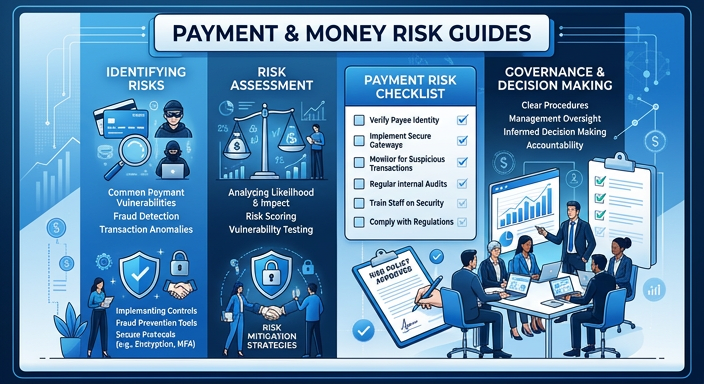
Payment & Money Risk Guides

Ever sent money somewhere and immediately thought — wait, did I just get scammed?

I have. A dodgy currency exchange in 2019, looked legit, had a website and everything. Gone in 20 minutes. Red flags are usually right there if you know what to look for — no license number, pressure to act fast, zero reviews older than six months, customer support that vanishes the second something goes wrong. Banks, casinos, lenders — same pattern every time. The unsafe ones all smell the same.